
Introduction
In today’s manufacturing industry, speed and efficiency are very important. Companies need faster production, better quality, and less material waste to stay competitive. A slitter rewinder machine helps achieve these goals by converting large rolls of material into smaller and more manageable rolls.
These machines are widely used in industries such as packaging, printing, paper, film, foil, and textiles. They provide accurate cutting, smooth rewinding, and consistent product quality. In this blog, we will explain how slitter rewinder machines work, their benefits, key features, and maintenance requirements.
Chapter 1: Understanding Slitter Rewinder Machines
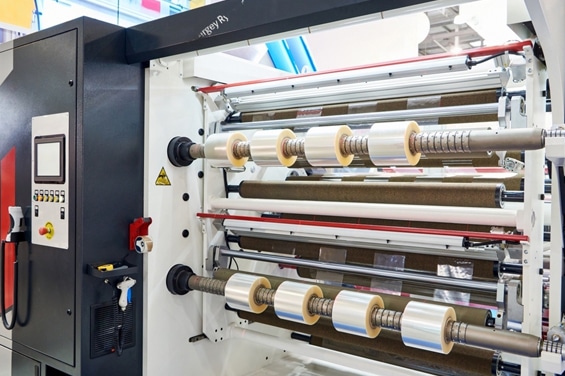
A slitter rewinder machine is an industrial machine used to slit large rolls of material into narrower rolls. After cutting, the machine rewinds the material into smaller rolls for easy handling and further processing.
These machines can process different types of materials, including:
- Paper
- Plastic film
- Aluminum foil
- Laminates
- Non-woven fabrics
- Textile materials
Modern slitting machines use precision slitting blades and slitter knives to ensure clean and accurate cuts. Depending on the material and application, manufacturers can use different slitting methods such as razor slitting, shear slitting, and score slitting.
Chapter 2: Benefits of Slitter Rewinder Machines
Increased Efficiency
Slitter rewinder machines improve production speed and reduce manual work. Automated operations help manufacturers save time and increase productivity.
Accurate and Consistent Cutting
Advanced slitting systems provide precise cuts and uniform roll sizes. This improves product quality and reduces production errors.
Reduced Material Waste
Proper tension control and accurate slitting minimize material wastage, helping manufacturers reduce costs.
Flexible and Customizable
These machines can handle different materials, widths, and thicknesses. This makes them suitable for multiple industrial applications.
Better Product Quality
Clean cutting and smooth rewinding reduce wrinkles, uneven edges, and defects in the finished product.
Chapter 3: Key Features of Slitter Rewinder Machines
Unwinding and Rewinding Systems
The unwinding and rewinding mechanisms maintain proper material tension during operation. This ensures smooth material flow and prevents damage.
Precision Slitting Units
High-quality slitting blades and slitter knives deliver accurate cutting performance for various materials.
Advanced Control Systems
Modern slitter machines include automated controls, tension monitoring systems, and user-friendly interfaces for better accuracy and efficiency.
Safety Features
Many machines are equipped with safety guards, emergency stop systems, and automated handling features to improve workplace safety.
Chapter 4: Maintenance and Care
Regular maintenance is important for keeping a slitter rewinder machine in good condition. Proper maintenance improves machine life and ensures consistent performance.
Important maintenance tasks include:
- Cleaning and lubricating moving parts
- Checking and sharpening slitting blades
- Replacing damaged slitter knives
- Inspecting tension control systems
- Calibrating sensors and control systems
- Checking roller alignment regularly
Preventive maintenance helps reduce downtime and improve production efficiency.
Conclusion
Slitter rewinder machines are essential for modern manufacturing industries. They help improve efficiency, reduce material waste, and maintain high product quality. These machines are widely used in industries such as packaging, printing, film, foil, and textiles because of their precision and reliability.
By using the right slitting technology and following regular maintenance practices, manufacturers can improve productivity, reduce operational costs, and meet customer demands more effectively.
Frequently Asked Questions
A slitter rewinder machine is an industrial system that converts large master rolls into smaller rolls by unwinding, slitting, and rewinding materials like paper, film, and foil. This process ensures precise widths, smooth edges, and consistent roll quality.
They improve production efficiency by enabling accurate slitting, reducing waste, and ensuring consistent output quality, making them essential in packaging, printing, and converting industries.
Slitter rewinders can handle a wide range of materials, including plastic films, paper, aluminum foil, laminates, non-woven fabrics, and textiles.
It boosts efficiency by delivering high-speed operation, precise cutting, and uniform rewinding, reducing downtime and material wastage in production lines.
Key components include: Unwind section Slitting unit (razor, shear, or score knives) Rewind section Tension control system Web guiding system
Common slitting methods include: Razor slitting (for thin films) Shear slitting (for paper and laminates) Crush or score slitting (for specialty materials)
Performance depends on: Tension control accuracy Machine speed Blade quality Material type Automation level Proper control of these factors ensures high-quality output and minimal defects.
They ensure precise cutting and consistent alignment, minimizing edge trimming losses and reducing defective rolls during production.
Common types include: Center surface slitter rewinders Surface slitter rewinders Duplex slitter rewinders Each type is suited for different materials and production requirements.
Efficiency can be improved by: Using high-quality blades Maintaining proper tension settings Automating processes Regular machine servicing Training operators effectively