
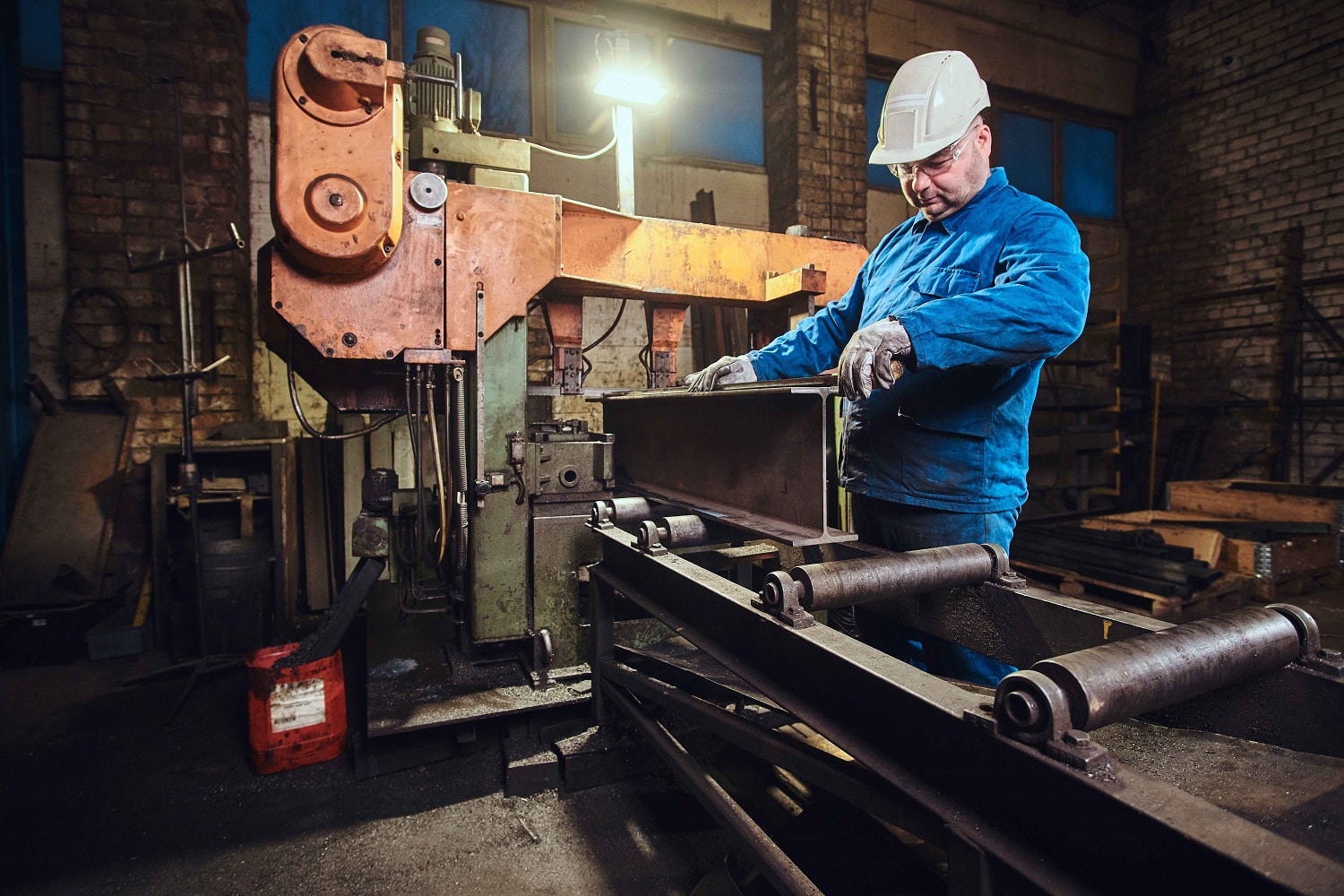
Precision is paramount in the intricate world of metal processing and manufacturing, and the role of slitting tools is indispensable. As the demand for efficiency, accuracy, and versatility in industrial processes continues to grow, slitting tools manufacturers find themselves at the forefront of innovation, ensuring they stay ahead to meet the dynamic needs of the industry.
Understanding the Role of Slitting Tools
Slitting tools, also known as slitters or machines, are instrumental in various manufacturing processes. They are designed to cut or slit materials, such as metal coils, paper rolls, plastic films, and textiles, into narrower strips. The precision and efficiency of slitting tools directly impact the quality and productivity of downstream processes in different industries.
However, slitting tools are also subject to various challenges and demands, such as:
- The need to slit different types and thicknesses of materials with different properties and specifications.
- The need to slit materials at high speeds and volumes without compromising the quality and consistency of the products.
- The need to slit materials with minimal waste, noise, and dust and with maximum safety and environmental protection.
- The need to slit materials with low cost, high durability, and easy maintenance.
How do slitting tool manufacturers stay ahead of these challenges and demands?
Slitting tool manufacturers constantly innovate and improve their products and services to meet their customers and the industry’s diverse and evolving needs. Some of the ways that slitting tools manufacturers stay ahead are:
- They use advanced materials and technologies, such as carbide, ceramic, diamond, or laser, to create slitting tools that are sharper, harder, stronger, and more resistant to wear and tear. These materials and technologies can also enhance the performance and lifespan of the slitting tools and reduce the friction, heat, and vibration during the slitting process.
- They offer customised and specialised slitting tools designed and developed according to the customers’ and applications’ specific requirements and preferences. They can tailor the slitting tools’ shape, size, angle, edge, and coating to suit the slitting process’s material, speed, and quality. They can also provide consultation, testing, and training to help the customers choose and use the best slitting tools.
- They provide comprehensive and reliable slitting tool services, such as sharpening, regrinding, repairing, or replacing the slitting tools, to ensure optimal condition and performance. They can also offer preventive and corrective maintenance, inspection, and calibration to prevent and solve problems or issues with the slitting tools. They can also deliver the slitting tools on time and budget to ensure customer satisfaction and loyalty.
In conclusion, slitting tool manufacturer drive efficiency and precision in various manufacturing sectors. By embracing technological advancements, customization, and material innovation, these manufacturers position themselves at the forefront of meeting industry demands. As the manufacturing landscape continues to evolve, the resilience and innovation of slitting tool manufacturers will undoubtedly shape the future of industrial processes.
Frequently Asked Questions
Slitting tool manufacturers stay ahead by focusing on innovation, advanced materials, customization, and precision engineering. Continuous improvement helps them meet evolving industry demands for efficiency and accuracy.
Modern manufacturers use technologies like:
- CNC machining
- Laser cutting
- Advanced heat treatment
- CAD-based design systems
These technologies improve precision, durability, and consistency in slitting tools.
Advanced materials such as carbide, ceramic, and high-speed steel (HSS) enhance tool hardness, wear resistance, and lifespan, ensuring better performance under high-speed operations.
Customization allows manufacturers to design tools based on material type, thickness, speed, and application requirements, improving efficiency and cutting accuracy for specific industrial processes.
Precision ensures clean cuts, minimal material waste, and consistent output quality, which are critical for industries like metal processing, packaging, and converting.
They enhance lifespan by:
- Using high-quality materials
- Applying advanced coatings
- Optimizing heat treatment processes
- Reducing friction and vibration during cutting
Slitting tools are widely used in:
- Metal processing
- Paper and packaging
- Plastic and film industries
- Textile manufacturing
These tools are essential for cutting materials into precise widths.
Quality control involves inspection, testing, calibration, and precision machining, ensuring each tool meets strict performance and durability standards.
Key challenges include:
- Handling different material types and thicknesses
- Maintaining high-speed precision
- Reducing waste and operational costs
- Ensuring durability and safety
Innovation leads to better designs, improved materials, and higher efficiency, helping manufacturers meet modern industrial requirements and stay competitive.